Six kilos of grease after a premium hood
After fourteen months, Caverion Norge opened four Lynx units mounted downstream of a premium hood at Oslo Airport Gardermoen. They had captured over six kilos of grease — grease that would otherwise have built up in the duct network. The spiral duct was visually clean anyway.
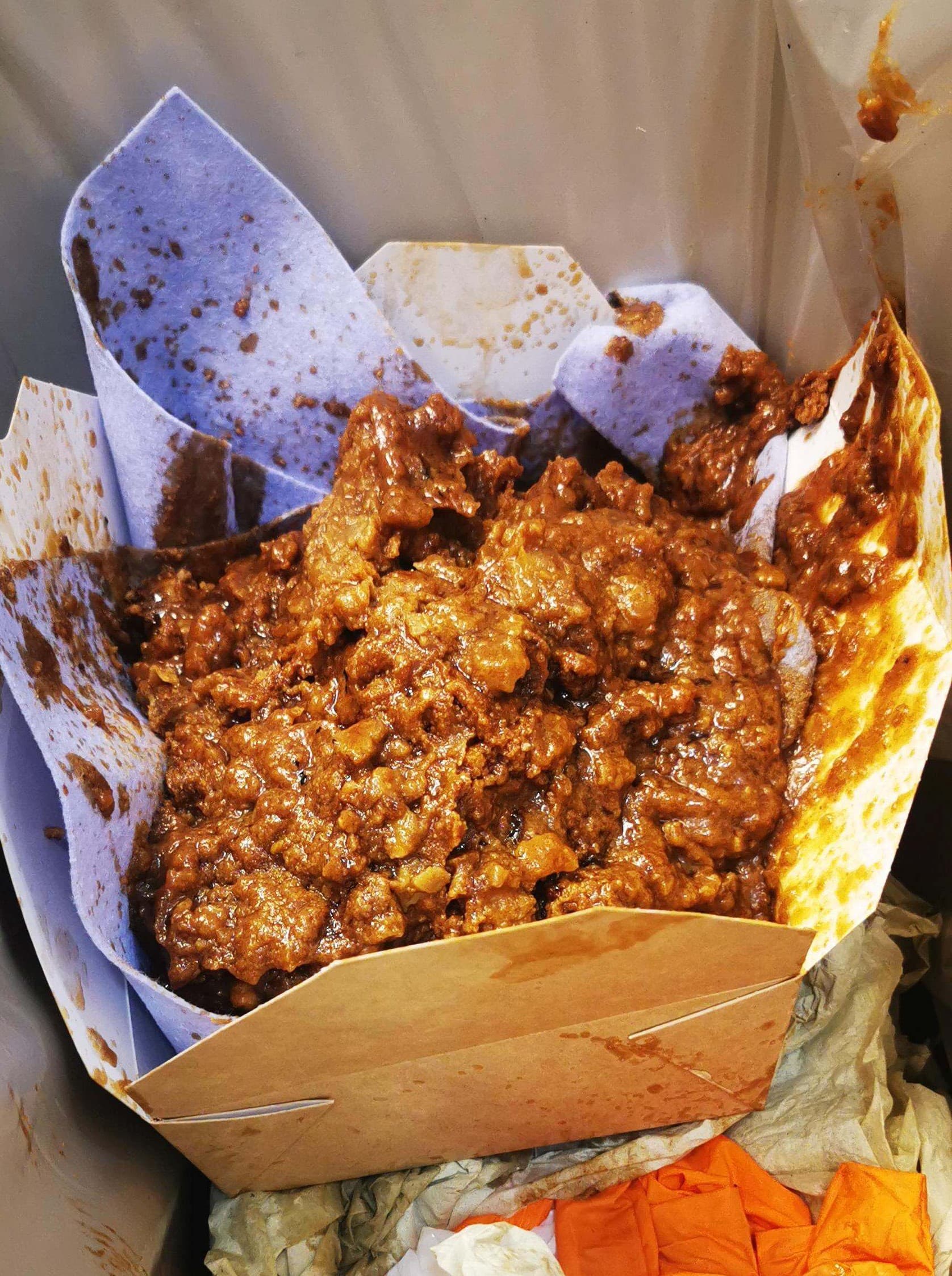
It had passed the new hood after fourteen months in a new restaurant at Oslo Airport Gardermoen. At the first service, Caverion Norge opened the four Lynx units. They had captured over six kilos of grease — grease that would otherwise have built up in the duct network. The spiral duct downstream was visually clean.
The point is one of principle. Lynx separates out every liquid droplet in a single stage, from 0.1 µm up to the largest. Cyclone- and inertia-based solutions capture the large droplets, but the finest ones follow the airflow and pass through. These are the ones Lynx takes, so the duct stays clean throughout its entire service life. The units are built for 20 years of operation.
This is why we do not recommend internal grease separators inside the hood itself. They increase the pressure drop without fully solving the task. That holds regardless of which hood the installation uses. It is also why Lynx Kitchen now makes its own hood: all the lighting and air control expected of a modern hood, without the cost of internal separation solutions. The goal is for Lynx and the hood together to sit in the same price class as the leading systems today, with clean ducts included.
At Gardermoen the exhaust heat is recovered close to the source. The air is clean enough to be returned to the ventilation system, where the heat is recovered into the supply air before it leaves together with the rest of the exhaust air from the unit. This requires no long ducts running through the building and out over the roof. Grease in the duct is not a cleaning problem. It is a design problem.